Bedding · Materials & Care
Layering Textured Coverlets with Wool Comforters for Year-Round Comfort
A well-dressed bed is less about piling on layers than choosing the right ones. Pair a breathable cotton coverlet with a wool comforter and you have a flexible arrangement that can move with the seasons: substantial when the air turns cool, easy to adjust when nights grow mild, and quietly rich in texture all year.
Some bedroom combinations look considered at first glance and feel even better at the end of the day. A textured coverlet over a wool comforter is one of them. Cotton brings a light, tactile surface; wool contributes insulation and a softly enveloping warmth. Together, they make a bed that can be styled with polish without being locked into a single season.
The secret is understanding what each layer does. A coverlet is not simply a decorative finish, and a comforter is not the only source of warmth. Fabric, weave, thickness, room temperature, and personal preference all influence how the bed feels. With a little attention to those details, you can create a combination that is inviting rather than weighty—and adaptable rather than overbuilt.
The appeal of a two-layer bed
Layering offers a simple kind of control. Instead of relying on one heavy blanket to serve every purpose, you can combine materials with distinct qualities and adjust them as conditions change. A wool comforter provides the insulating core. A cotton coverlet adds a lighter layer that can be pulled up, folded back, or used on its own when the weather is mild.
There is also a visual advantage. A coverlet gives the bed a finished surface, with texture and color that can soften the clean lines of sheets and duvet covers. Matelassé, in particular, creates a raised pattern that suggests quilting while remaining comparatively streamlined. The relief catches light gently; it reads as detail, not clutter.
Think of the arrangement as a small wardrobe for the bed. The wool comforter is the dependable outer layer for cooler nights, while the coverlet is the versatile piece that bridges temperatures and brings the composition together. When the room warms, the comforter can be set aside and the cotton layer can take the lead.
What a textured coverlet brings
Coverlets vary in weight, construction, and drape. Some have a dense hand and a more substantial fall; others are featherweight and pliable. The word “textured” can describe anything from a subtle jacquard relief to a rippled weave or a stitched-looking surface. These differences matter, because the most beautiful layer is also the one that has to feel right against the bedding beneath it.
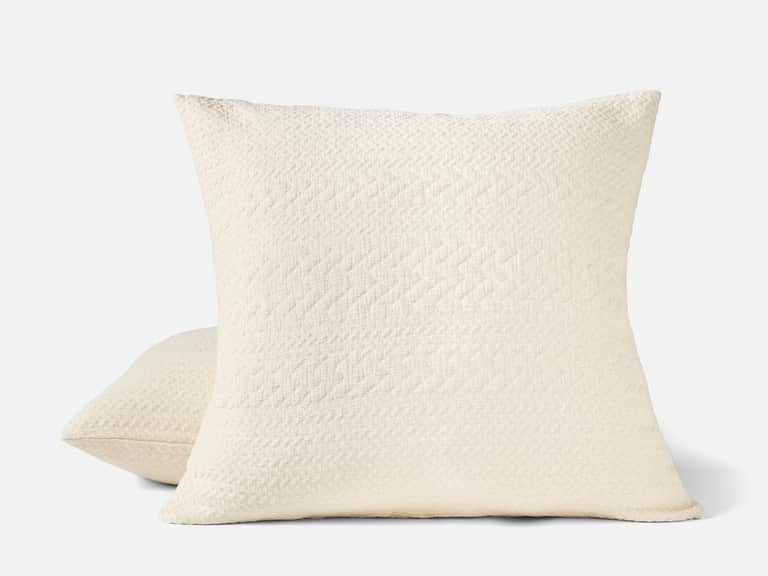
Matelassé is especially useful for layering. The term describes a textile construction that produces a raised, quilt-like pattern without requiring the thick, separate batting associated with many conventional quilts. The result can offer visual depth and a pleasingly tactile surface without necessarily adding a bulky layer of insulation. How warm a particular coverlet feels still depends on its fiber, weave, weight, and finish.
Cotton is valued for its familiar hand and practical versatility. Depending on how it is woven and finished, it may feel crisp, smooth, gauzy, or softly rumpled. A lightweight cotton coverlet can add a gentle buffer and a polished top layer without making a bed feel dense. A heavier cotton style may offer more coverage, which can be welcome in a cooler room or during the change of seasons.
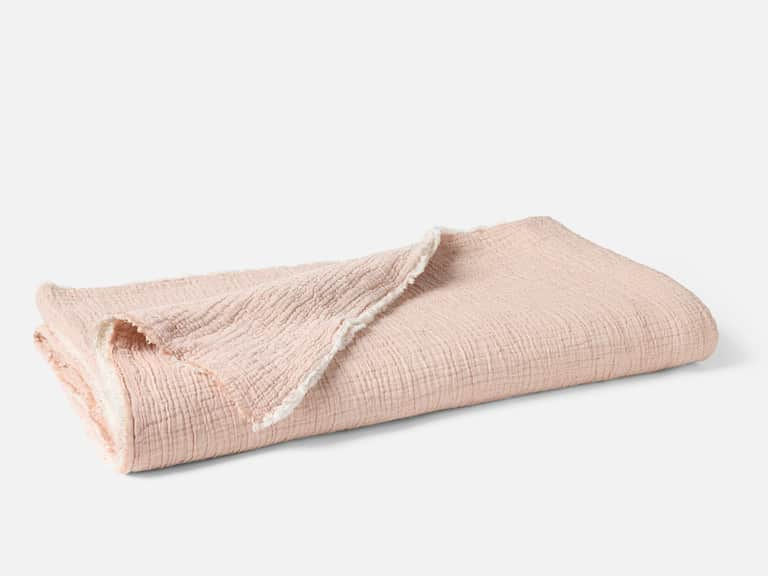
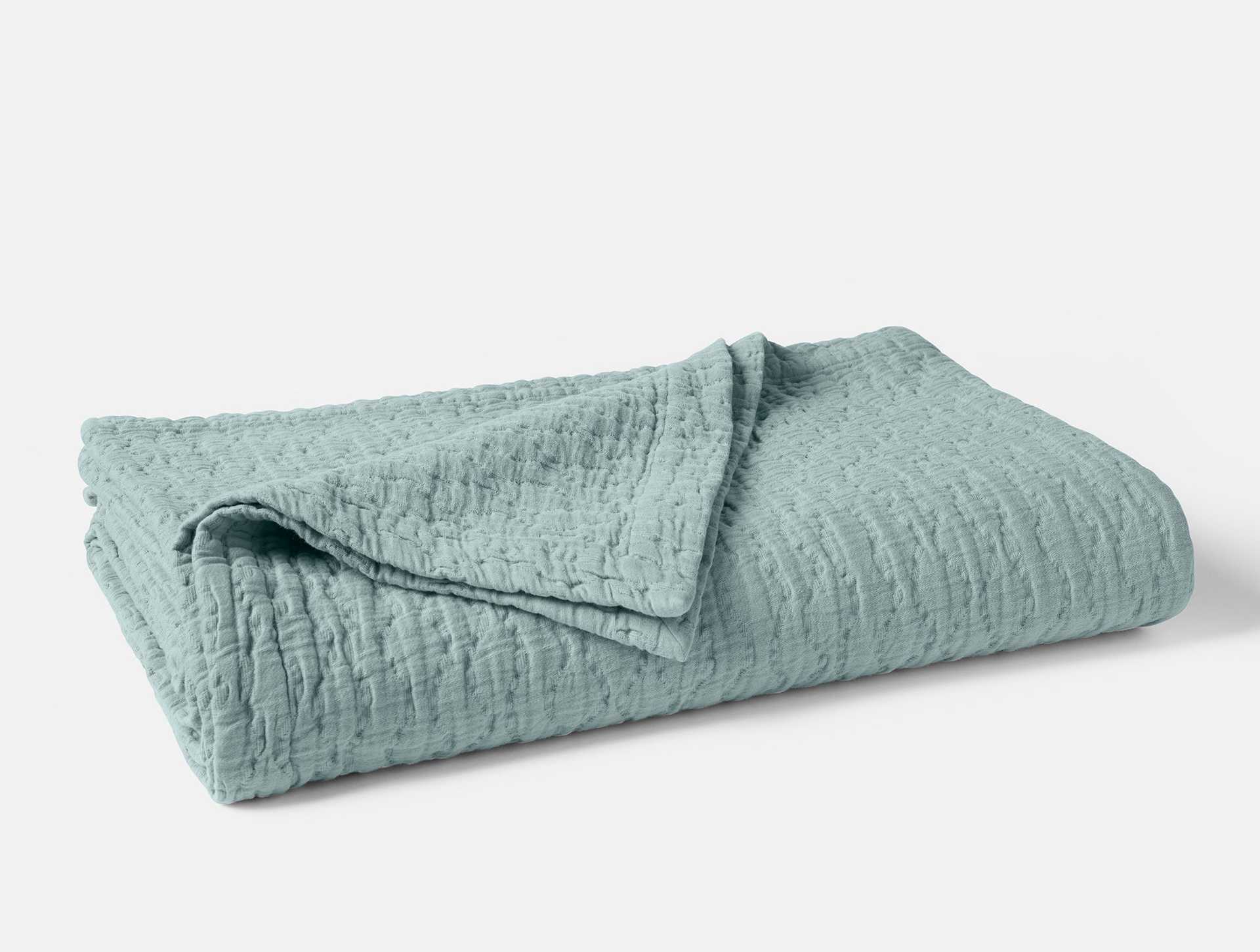
For a fluid, relaxed look, the Pescadero Organic Matelassé Coverlet pairs a soft sateen-feel face with a gauzier reverse. Its turned hem and mitered corners lend definition, while the reversible texture gives the layer more than one way to sit on the bed. For a lighter, more pliable silhouette, the Topanga Organic Matelassé Coverlet has a rippled weave and waved edges. Both examples illustrate how construction can shape the atmosphere of a bed as much as color does.
Why wool works beneath cotton
Wool has a long place in bedding because it can provide insulation without the same dense, compressed feeling that some sleepers associate with very heavy coverings. Its natural fibers help hold warmth, making a wool comforter a useful foundation when the room is cool. The comforter’s actual warmth depends on its fill, construction, cover fabric, and loft, so product specifications and care guidance remain important.
Breathability is part of the appeal. Sleep comfort is not simply a question of adding warmth; it is also a question of how comfortably the bed manages heat and moisture over the course of the night. A breathable arrangement gives warmth room to feel balanced rather than trapped. Cotton on top of wool can create a pleasing contrast: the comforting insulation of the wool layer beneath a textured, familiar cotton surface.
That does not mean every wool comforter and cotton coverlet will feel identical. A lofty, generously filled comforter under a dense coverlet may be too warm for someone who sleeps hot. A light wool comforter paired with a fine, airy coverlet may suit a cooler room or someone who likes a softer cocoon. The most effective combination is personal, and it is best assessed through the night rather than by appearance alone.
A simple layering order
Start with the fitted sheet and the rest of your preferred sheet set. Add any mattress protector or topper according to its own care and fit requirements. Place the wool comforter over the sheet layer, then arrange the coverlet over it, either covering the full bed or folded neatly across the lower third.
For a composed, tailored look, pull the coverlet evenly toward the head of the bed and smooth it over the comforter. If you prefer a more relaxed finish, let the coverlet fall naturally and allow a little of the comforter to show at the sides. A folded coverlet at the foot of the bed creates an inviting visual band and makes the layer easy to reach when the room cools after bedtime.
There is no rule that the coverlet must always sit on top. If its texture is delicate or you prefer a softer hand next to your skin, place it beneath the wool comforter. That arrangement changes the visual effect, but the bed’s comfort still depends on the layers’ combined weight and the temperature of the room. Experiment with the order for a few nights; small adjustments often make a noticeable difference.
- For a neat, finished bed: spread the coverlet over the comforter and align the edges.
- For an easy, layered look: fold the coverlet at the foot so it can be pulled up as needed.
- For a lighter night: remove the comforter and use the coverlet with your sheets.
- For extra warmth: keep both layers in place, adjusting how far the comforter is pulled up.
How to adjust the bed by season
Spring: keep warmth within reach
Spring nights can be changeable. Rather than committing to a heavy arrangement, keep the wool comforter beneath the coverlet and fold the top layers back before sleep if the room is warm. A lighter coverlet can provide a comfortable surface while keeping the insulating layer close at hand for a cooler spell. This is also a good time to assess whether the comforter feels right for the room as windows open and temperatures fluctuate.
Summer: let the coverlet stand alone
During warm weather, a cotton coverlet may be all the bed needs above the sheets. Its texture offers a finished look, while a lighter construction can feel less enveloping than a comforter. Fold the wool layer away in a breathable storage bag or another clean, dry place, following its care instructions. If nights remain cool, leave the comforter nearby rather than making the bed warmer than necessary.
Autumn: build a little at a time
As evenings turn crisp, bring the wool comforter back and begin with a relaxed arrangement: comforter underneath, coverlet on top, with an easy fold at the foot. The extra layer can contribute warmth and texture, but it remains simple to remove if the room retains heat. This transitional approach avoids the abrupt shift from a summer bed to an overly heavy winter one.
Winter: make warmth adjustable
In winter, the combination can come into its own. A wool comforter provides the insulating layer, while the coverlet adds a further light barrier and a finished surface. If you find the bed too warm, fold the coverlet down or let the comforter sit lower. If the room is particularly cold, consider the entire sleep setup—including sheets, mattress, and room temperature—rather than assuming that another blanket is always the best solution.
Balance weight, warmth, and drape
Successful bedding layers should feel harmonious rather than simply abundant. Begin by noticing the wool comforter’s loft and weight. A thick, lofty comforter already has a substantial presence; it may look and feel best with a lightweight coverlet. A less lofty comforter can pair comfortably with a coverlet that has a more defined hand or denser weave.
Drape is another useful guide. A supple coverlet tends to settle close to the bed, creating a fluid outline. A firmer or more structured textile can hold a crisp edge and a more architectural shape. Neither is inherently better. Consider whether you want the bed to feel relaxed and enveloping or precise and composed, then choose a coverlet construction that supports that mood.
Color can also make layers feel more or less substantial. Tonal shades—ivory with oatmeal, warm white with soft gray, or muted earth tones together—create quiet continuity. A darker coverlet over a pale comforter creates a clear visual boundary and gives the bed definition. Pattern can work just as elegantly when one layer is expressive and the others are restrained. With matelassé, the raised surface already supplies dimension, so a simple palette often lets the weave do the work.
Be attentive to size. A coverlet that is too small may expose the comforter unevenly, while one that is much larger can obscure a tailored bed frame or drag close to the floor. Mattress depth, toppers, and the way the bed is styled all affect how much length and width you need. Check product dimensions against your actual bed and consider whether you prefer a close, modern drop or fuller coverage.
Breathability is more than a label
“Breathable bedding” is often used as a broad description, but the experience comes from the whole system: fiber, weave, finish, fill, room conditions, and the sleeper. Cotton can feel very different in percale, sateen, jacquard, or textured matelassé construction. Wool comforters, too, vary according to fill and casing. Looking at materials and construction is more useful than relying on a single adjective.
Consider whether the coverlet is tightly woven or open and airy, whether it is featherweight or substantial, and whether its finish changes the hand. Stonewashing, for example, can make cotton feel softer and more relaxed. A smooth sateen face may feel different from a gauzy reverse. These details can help you anticipate how the coverlet will layer, but personal comfort remains the final test.
If you tend to sleep warm, start with fewer layers and add only what you need. If you are often cold, the comforter may remain in use for more of the year, with the coverlet offering an additional layer or an easy way to finish the bed. Keep the room’s heating, ventilation, and humidity in mind as well. Bedding cannot compensate for every environmental condition, and a comfortable arrangement may change from one room to another.
Care that protects the partnership
Cotton coverlets and wool comforters do not necessarily share the same care routine. Before laundering, check each item’s care label and follow the manufacturer’s instructions. Many cotton coverlets are machine washable, but water temperature, cycle, detergent, and drying method can affect texture, color, and shape. A gentle cycle and low heat are common recommendations for some cotton bedding, though the label for your particular piece should take precedence.
Wool comforters may require more specialized care than a washable cotton layer. Avoid assuming that a comforter can go into a standard wash cycle; follow its specific cleaning instructions and use a professional cleaner when directed. Between cleanings, airing the comforter according to the care guidance can help refresh it without unnecessary laundering. Keep it fully dry before storage, and store it in a clean, breathable space.
To care for the coverlet, remove it promptly from the dryer if its instructions recommend doing so, and avoid harsh treatments that could weaken fibers or alter the finish. Textured weaves deserve particular care: aggressive washing or rough handling may change the surface or stress delicate edges. A neatly made bed is lovely, but maintaining the textile’s hand and construction matters more than pressing every ripple into submission.
Rotate or refold the coverlet occasionally so that the same section is not always exposed to wear. If the bed sits in direct sunlight, consider how that light may affect color over time. Simple, consistent care helps preserve the textile’s character and keeps the layers ready for the next seasonal shift.
A measured approach to sustainable bedding
Choosing fewer, more versatile layers can be a practical way to make a bedding wardrobe work harder. A coverlet that can be used alone in warm weather and paired with a comforter in cooler months serves more than one purpose. When evaluating materials, look for clear information about fiber content, origin, and certifications rather than relying on general sustainability language.
Some organic cotton coverlets carry the Global Organic Textile Standard certification. Certification details can help clarify how a product has been assessed, but it is still worth reading the full product information and care directions. For example, the Pescadero and Topanga coverlets described above are identified as GOTS certified organic cotton pieces. Their different weaves and finishes show that responsible fiber choices can still leave room for distinct design preferences.
Durability also matters. A textile that is cared for and used over time may be more useful than a series of short-lived seasonal purchases. Choose a texture and palette you will be happy to live with, and make sure the piece suits your actual routine. Easy care, suitable dimensions, and compatibility with the layers you already own are all part of a considered decision.
A small checklist before you style
- Check the comforter’s warmth, fill, and care instructions before deciding how much additional coverage you need.
- Choose a coverlet weight that complements, rather than overwhelms, the wool layer.
- Consider the coverlet’s weave and finish: matelassé relief, a rippled surface, and a smooth sateen face each create a different effect.
- Measure the bed, including any topper, and consider the drop you want at the sides.
- Begin with fewer layers, then add warmth in response to the room and your own comfort.
- Follow the care label for each textile; cotton and wool may need different handling.
The comfort of a bed that can change
The best bedding arrangement is not a fixed formula. It is a balance between the room, the season, the textiles, and the person sleeping beneath them. A wool comforter offers a reassuring insulating layer; a textured cotton coverlet brings breathability, tactility, and a graceful finish. Used together, they allow a bed to feel warm without looking cumbersome—and styled without sacrificing ease.
In summer, let the coverlet stand on its own. In cooler months, draw the comforter beneath it and adjust the fold to suit the night. Choose a weave that feels good in the hand, a weight that makes sense for your room, and care routines you can realistically maintain. That is the quiet luxury of layered bedding: not excess, but a thoughtful arrangement that meets the moment.