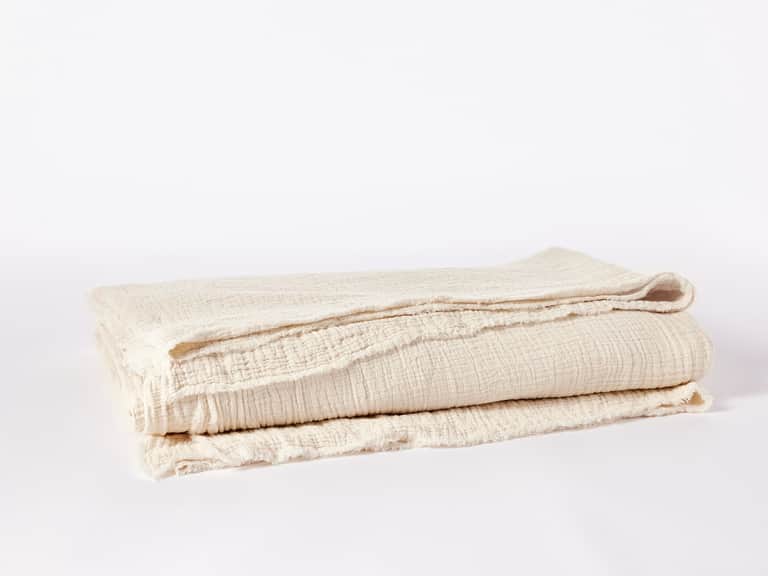
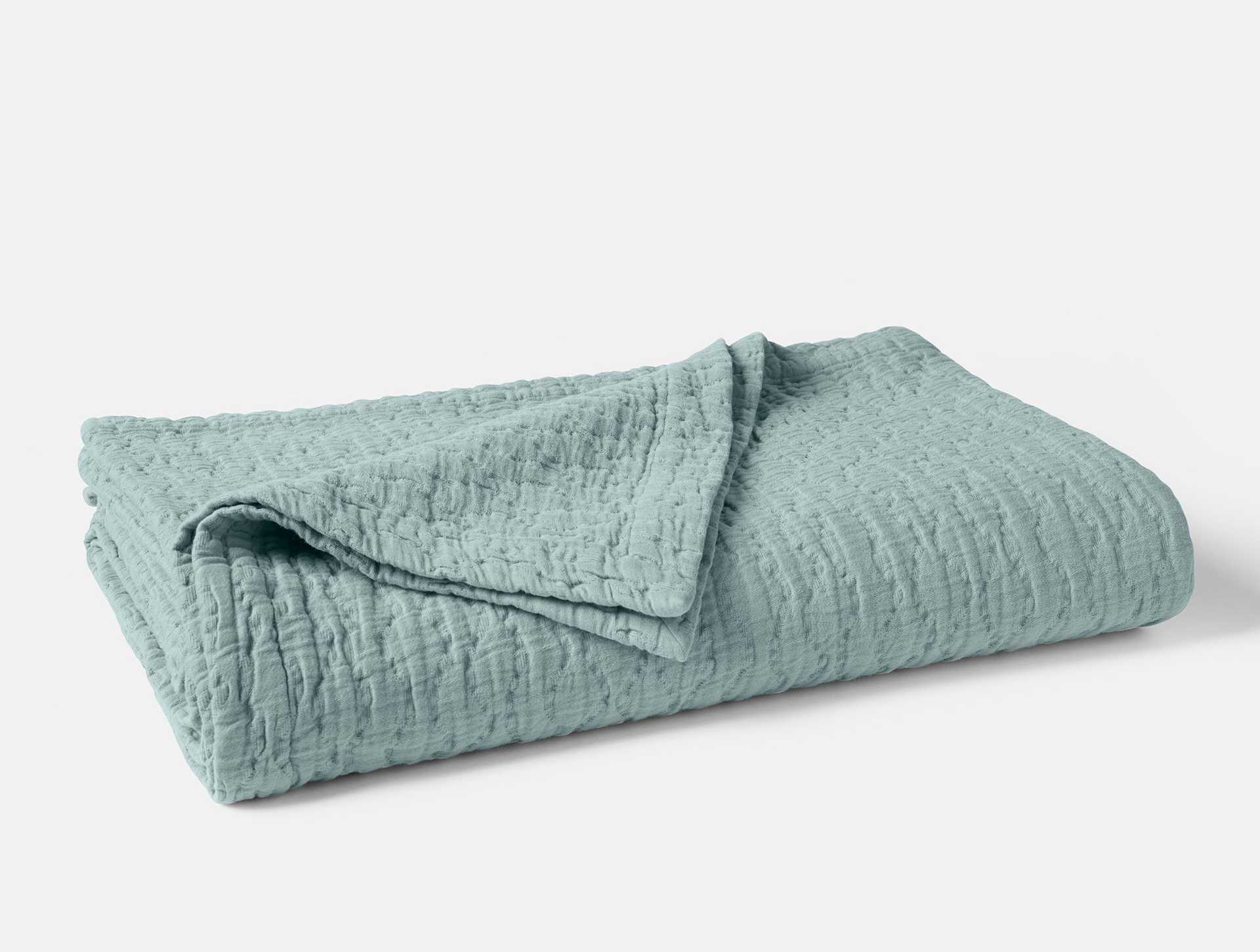
Angeles Organic Matelasse Blanket
Experience lightweight, breathable luxury with a soft matelassé texture and braided waves; versatile as a coverlet or top layer, easy care, temp-regulating, non-toxic, and cozy year-round.
A Vogue-style meditation on the quilted luxury of matelassé, this piece threads textile history, contemporary design, and practical guidance into a single, glossy narrative. We traverse centuries of craftsmanship, spotlight current labels rewriting the texture-forward narrative, and offer curated guidance for choosing and caring for matelassé-inspired pieces that elevate the sleep experience.
Matelassé is not merely fabric; it is a memory of warmth, a texture that speaks softly in a room. The raised, quilted motifs redefine bedding as a tactile conversation rather than a flat plane. Originating from French textile traditions, matelassé weaves a narrative of craftsmanship, comfort, and an understated luxury that resonates with modern aesthetics. It is the kind of texture that invites you to reach out, to feel—then to drift into a calm, curated slumber.
In today’s design lexicon, matelassé moves beyond traditional quilts and covers. It has become a benchmark for breathable warmth, architectural surface interest, and durable everyday luxury. The weave can take many forms—from jacquard-constructed raised patterns to kantha-inspired stitching that echoes artisanal textile techniques. The result is a fabric that looks refined, yet wears well with the ease of a favorite piece you’ve lived in for years.
Current bedding brands borrow matelassé’s depth and three-dimensional texture to create layers of warmth without weight. Coyuchi, Sferra, and Vispring are among the names that interpret matelassé into shams, coverlets, and blankets that feel breathable and luxurious. These pieces are not merely decorative; they are functional layers designed to regulate temperature, promote airflow, and deliver a sense of quiet opulence to the bedscape.
Coyuchi has long championed organic fibers, translating matelassé textures into textiles that are gentle on skin and respectful of the planet. Their Angeles Organic Matelasse Blanket demonstrates how braided wave patterns in a light, breathable weave can function as a coverlet or top layer, lending an airy texture that remains durable through countless washes. Sferra’s approach, by contrast, leans into a more formal, couture-inspired temperament—where matelassé transitions into structured shams and coverlets with a refined hand and carefully finished edges. Vispring, with its heritage in luxury mattresses and bed linens, uses matelassé-inspired textures to deliver a sense of dimensionality that complements high-end sleep systems, balancing support and softness.
In essence, matelassé in modern bedding is less about heavy quilting and more about a sculpted surface that breathes, layers, and endures—an elegant counterpoint to the sleek, tech-forward aesthetics of contemporary bedrooms.
Selecting matelassé bedding requires an eye for weave variation and finish. The core textures can be broadly categorized into jacquard matelassé, kantha-inspired textures, and lace-inset or edge-finished designs. Each variation offers a distinct visual footprint and feel:
Care routines for matelassé bedding emphasize gentle washing, avoiding harsh detergents, and following garment-washed or stonewashed finishes that contribute to a softening over time. GOTS-certified organic cottons, such as those used in Topanga and Pescadero lines, underscore an ethical framework without sacrificing luxury. A simple rule: treat matelassé like your finest blouse—washed with care, dried on low heat, and steamed to restore a crisp, refined look.
To illuminate matelassé’s enduring charm, we turn to three influential figures from distinct eras whose work intersects textile craft, design philosophy, and cultural storytelling.
These figures, though illustrative, help contextualize matelassé’s evolution—from royal rooms and artisanal ateliers to modern showrooms and boutique hotels, where the texture remains a tactile signature of refined living. In our narrative, their spirit informs the way we curate bedding that feels both timeless and now.
A GOTS-certified treasure, the Angeles Organic Matelasse Blanket embodies breathable warmth and a braided wave pattern that adds dimension without bulk. Woven in Portugal from Indian-grown cotton, it is designed as a versatile coverlet or top layer, ideal for layering with a duvet or across seasonal shifts.
Carefully finished with a clean 1-inch mitered hem, this blanket balances soft hand, durability, and easy maintenance—an everyday luxury that remains remarkably practical.
Key specs: 100% organic cotton; GOTS certified; machine washable; braided wave matelassé; 1 inch hem; knit-like breathability.
Brand: Coyuchi • Category: Bedding
Price: $298.00
For the discerning shopper, matelassé bedding offers layers of tactile sophistication. Here’s how to approach selection with editorial poise and practical know-how:
In a store or online, request swatches or compare a few weights to determine how a matelassé piece layers with your existing bedding. The goal is to achieve a balanced bed that looks intentionally styled yet feels effortless to live with.
To maintain the refined voice of Matelasse—our quilted knowledge hub—the editorial plan should interweave history, technique, and modern design practice. Think of it as a patchwork: historical essays sit alongside designer interviews, followed by practical how-tos and care guides. Seasonal collections, gallery-style pattern explorations, and resource roundups would anchor the site as a trusted, richly textured reference for textile lovers and design students alike.
Matelassé weaves a narrative of warmth, texture, and modern versatility. It is a textile language that speaks softly to the senses while delivering practical warmth and enduring elegance. In a world of fast cycles and high polish, matelassé remains a touchstone—a reminder that luxury can be tactile, breathable, and deeply comforting. As brands continue to reinterpret this heritage texture, the bed becomes a stage for texture to play its subtle, sophisticated role.
Images displayed are representative of product styles and textures described. Individual product photography may vary by batch and season.